The Unwritten Rulebook: How Veteran Anime Fans Are Quietly Shaping the Next Generation
There's a moment every new anime fan knows. You've just finished your first series — maybe it was Demon Slayer, maybe My Hero Academia — and you're standing at the edge of an ocean so massive it's almost paralyzing. Where do you even start? What do you watch next? Who do you talk to about the thing that just wrecked your emotions in the best possible way?
For a growing number of newcomers, the answer isn't an algorithm. It's a person. A veteran fan who remembers exactly what that feeling was like — and decided to do something about it.
What the Senpai Role Actually Looks Like in 2025
In anime, the senpai-kohai dynamic is a classic — the experienced upperclassman who guides, challenges, and ultimately elevates the person coming up behind them. In real-life fandom, that dynamic has taken on a surprisingly organic shape.
It doesn't come with a title or a badge. It looks like a 28-year-old at Anime Expo crouching down next to a 16-year-old who's nervously clutching a One Piece figurine and saying, "Okay, so you just finished the Marineford arc? I need to tell you something." It looks like a Discord mod who's been running a Fullmetal Alchemist server for six years creating a pinned "Start Here" guide specifically for people who just watched the Netflix adaptation and don't know about Brotherhood yet. It looks like a Reddit thread where someone asks "Is the original Sailor Moon worth watching if I grew up on Crystal?" and gets a 400-word thoughtful reply from someone who's been in the fandom since 1997.
These micro-moments of mentorship are everywhere. And they're building something real.
Why Veterans Keep Showing Up
Here's the thing nobody really talks about: mentoring a newcomer is genuinely good for the veteran, too.
There's a specific kind of joy that comes from watching someone experience something you love for the first time. Anime fans know this better than most. When you've seen Neon Genesis Evangelion four times and you finally convince a friend to sit down and watch it — and you get to watch their face during that scene — it hits different. You're not just sharing media. You're sharing a piece of your own history with it.
Long-time fans also describe a sense of responsibility that kicks in naturally. "The fandom was really intimidating when I got into it," says one moderator of a mid-sized Attack on Titan community on Discord who's been active since 2013. "People were gatekeepy. There were definitely moments where I felt like I didn't belong because I hadn't seen enough. I never wanted someone else to feel that way in a space I was running."
That instinct — to be the person you needed when you were starting out — is a thread that runs through almost every senpai story you'll find in these communities.
The Convention Floor as a Classroom
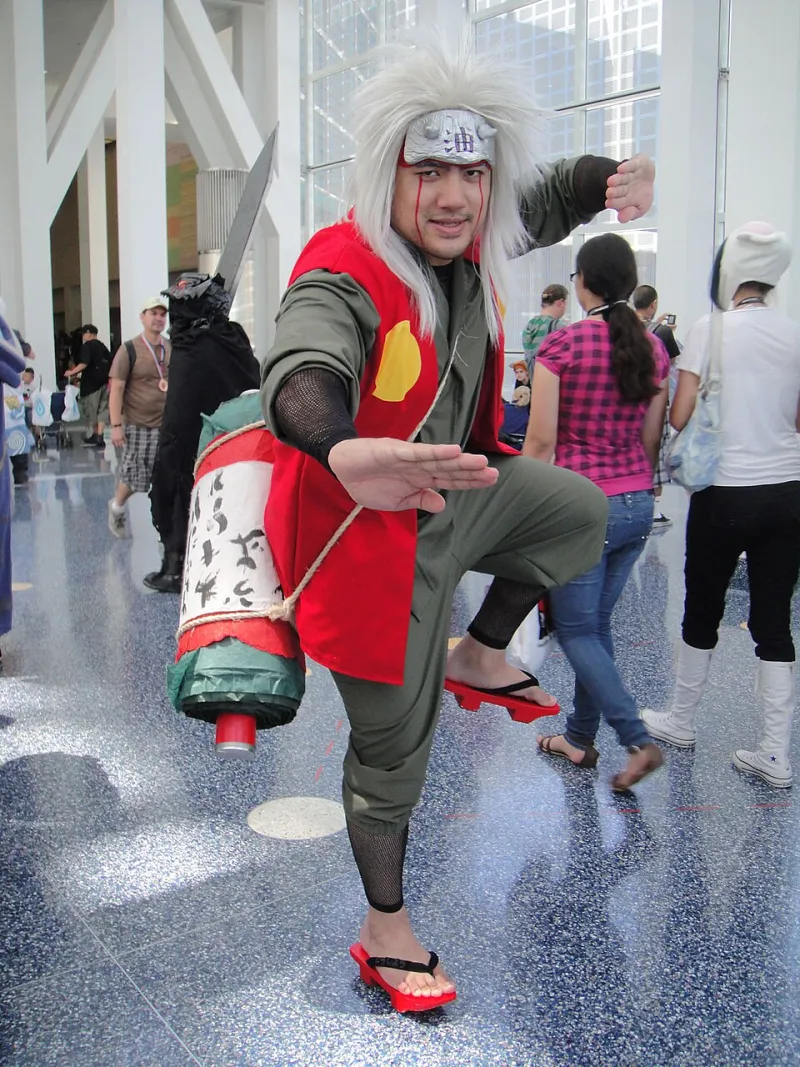
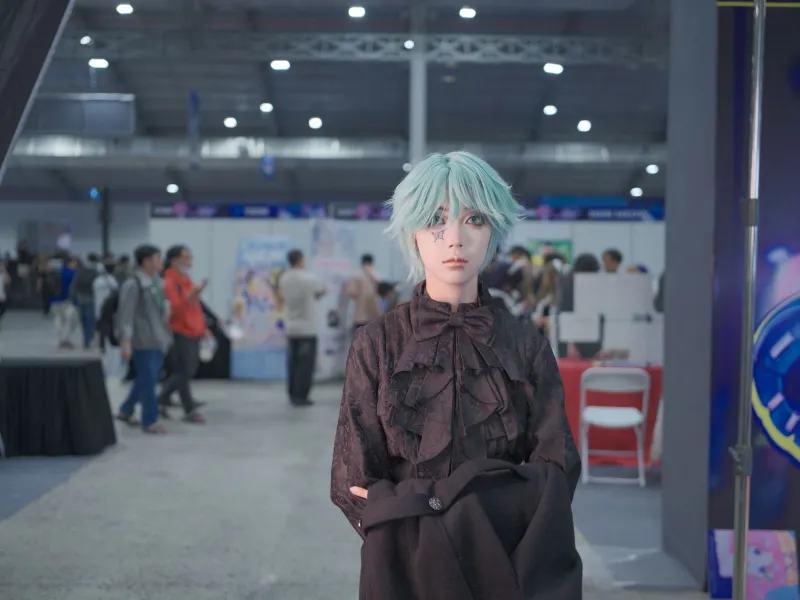
Anime conventions are where the senpai effect becomes most visible. Walk through the dealer's hall at any mid-to-large con in the US and you'll see it happening in real time. Cosplayers stopping to explain their character's entire backstory to someone who just thinks the outfit looks cool. Panel veterans helping first-timers navigate the badge pickup line. Older fans gifting newcomers their first physical manga volume like it's a rite of passage.
Cons create a compressed social environment where people who would never cross paths online suddenly find themselves standing next to each other for twenty minutes in a merch line. That proximity is everything. Bonds that might take months to form online can spark in an afternoon at a convention.
Many fan communities have started formalizing this a little — hosting "Fandom 101" panels, creating mentorship pairings through fan clubs, or organizing "first-timer" meetups specifically designed to connect newcomers with people who've been around the block. It's still informal by most standards, but it's becoming more intentional.
The Challenges Nobody Talks About
Mentorship in fandom isn't without friction. Veteran fans can sometimes slip into gatekeeping without realizing it — the line between "let me help you appreciate this" and "you're not a real fan yet" is thinner than it should be. There's also the question of age dynamics. When adults are actively engaging with teenage fans online, even with genuinely good intentions, community guidelines and personal boundaries matter enormously.
The best senpai relationships in fandom tend to share a few qualities: the veteran meets the newcomer where they are rather than where they think they should be, the guidance is offered rather than imposed, and there's genuine curiosity flowing in both directions. Because here's something veteran fans are increasingly acknowledging — newer fans bring fresh eyes. They catch things long-timers have normalized. They ask questions that crack open conversations that had gone dormant. The learning is mutual.
What This Builds Over Time
Ask anyone who's been in a fandom for more than five years about the relationships that stuck, and a surprising number of them will trace back to a moment of guidance. The person who handed them their first recommendation list. The mod who DMed them to say "hey, I noticed you seemed lost, can I help?" The cosplayer who spent twenty minutes at a con explaining why a particular arc changed their life.
Those moments become origin stories. And origin stories are the foundation of every lasting bond.
Kizuna — connection — is literally in our name here at Kizuna Pop. And what the senpai effect illustrates so clearly is that the strongest connections in fandom aren't always formed between equals at the same point in their journey. Sometimes the most meaningful bond is the one that reaches across experience, across age, across the gap between someone who's been here a while and someone who just arrived.
The next generation of anime fans is already out there, standing at the edge of that ocean. The question is whether the veterans swimming in it will turn around and wave them in.
Spoiler: a lot of them already are.