The Show Is Gone But the Fandom Isn't: What Happens When Anime Communities Refuse to Let Go

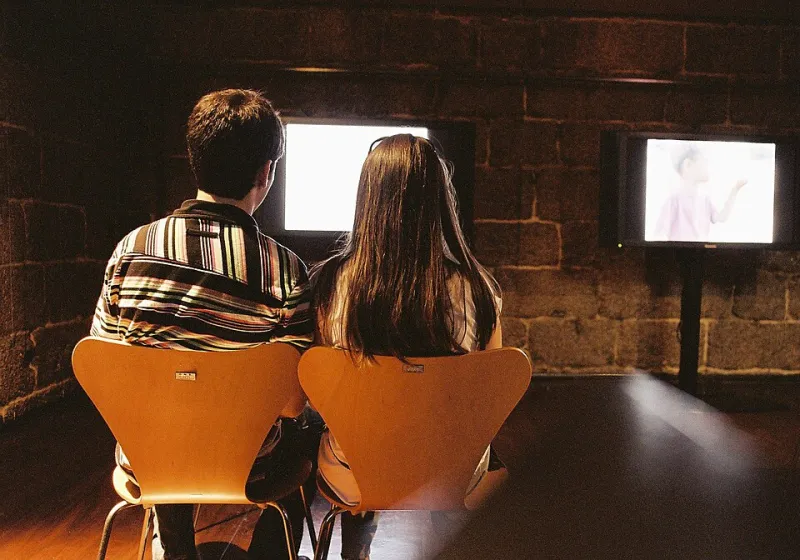
Photo by Photo by Lê Anh on Unsplash on Unsplash
Let me paint you a picture. You've been following an anime for months. You're in the Discord, you're posting theories, you've maybe even bought the manga to get ahead. And then — nothing. A quiet announcement, a vague statement about "production circumstances," and suddenly the story you were living inside just... stops. No finale. No closure. Just an ending that wasn't supposed to be one.
This is the particular grief of the cancelled anime fan. And it's more common than it should be.
But here's what's genuinely remarkable: again and again, this is the moment when communities don't fall apart. It's the moment when they come together harder than they ever did during the show's actual run. The cancellation becomes the event that turns a fandom into a family.
Collective Grief Is Still Collective
There's something almost counterintuitive about what happens when an anime gets cancelled. You'd expect people to drift. The content stops, the algorithm stops surfacing it, and most casual viewers move on to whatever's airing next season. But for the fans who were truly invested? The opposite tends to happen.
Shared disappointment is, it turns out, a genuinely powerful bonding agent. When everyone in a community is feeling the same specific flavor of loss at the same time, there's a kind of solidarity that forms around it. The grief becomes communal. And communal grief — even over something fictional — creates real intimacy.
Fans who've been through this describe the post-cancellation period as almost like a vigil. People who barely interacted during the show's run suddenly find themselves in long, emotional threads together. They're processing. They're venting. They're sharing their favorite moments with people who actually understand why those moments mattered. For some, it's the first time they've felt truly seen inside a fandom space.
What Fans Actually Do
The creative response to cancellation is honestly one of the most impressive things fandom culture produces. When the official story ends, fans don't just accept the silence — they fill it.
Rewatch events are one of the most common responses, and they're more meaningful than they might sound. Organized rewatches, often hosted in Discord servers or through platforms like Twitch, give communities a reason to gather again. But this time, they're watching together, in real time, with the full weight of knowing what happened. The commentary is different. The emotional register is different. People catch things they missed, share context they've picked up since, and grieve specific scenes in a way that's somehow both sad and cathartic.
Fan fiction and fan art explode in the aftermath of cancellations. This is the community writing the ending the show never got to give them — sometimes staying faithful to what seemed like the intended direction, sometimes going wildly off-script in ways that are more wish fulfillment than anything else. Either way, it keeps the creative energy alive and gives fans something to rally around and celebrate together.
Petition campaigns are another fixture of the post-cancellation landscape. Whether or not they ever succeed (and occasionally, they do — the anime industry has seen a few remarkable reversals over the years), the act of organizing one gives a community a shared mission. Something to do with the feeling. US-based fan communities have gotten increasingly good at coordinating these efforts across platforms, pooling social media reach, and making genuine noise.
When the Ending Becomes the Beginning
This is the part that tends to surprise people who haven't experienced it: some of the most durable, tightest-knit fan communities are ones that formed around shows that ended badly or too soon. The cancellation didn't kill the fandom. It crystallized it.
There's a reason for this. When a show is actively airing, the community's energy is often directed outward — toward the new episode, the next theory, the next season announcement. When the show ends, that energy has nowhere to go except inward. Into each other. Into the story itself, revisited and reinterpreted without the distraction of new content.
Fans start to know each other better. The conversations get deeper. Inside jokes accumulate. Traditions form — annual rewatch weekends, anniversary posts, specific memes that only people who were there will understand. The fandom develops its own internal culture, independent of the source material.
In a weird way, cancellation can be the thing that makes a fandom feel permanent.
A Note on What This Says About Fans
It would be easy to frame this as a story about obsession, or about fans who can't let go. But that's not really what's happening here. What's happening is that people found something they cared about, found each other through it, and decided that the connection was worth keeping even when the original reason for it went away.
That's not pathological. That's just how human bonds work. We don't stop loving the people we met at a job we no longer have, or in a city we've since left. The context changes; the relationship doesn't have to.
Anime gives fans a shared experience intense enough to build real relationships on. And when that experience gets cut short, the relationships — if they were real — survive it.
The Kizuna Outlasts the Credits
If you've ever been part of a fandom that lost its show, you already know this. The grief is real, but so is what comes after it. The community that forms in the wreckage of a cancellation is often more honest, more connected, and more committed than the one that existed when everything was going smoothly.
The show ended. The bond didn't. And honestly? That might be the most anime thing about all of it.