Still Watching, Still Hurting: How Fans Cope When a Beloved Anime Lets Them Down
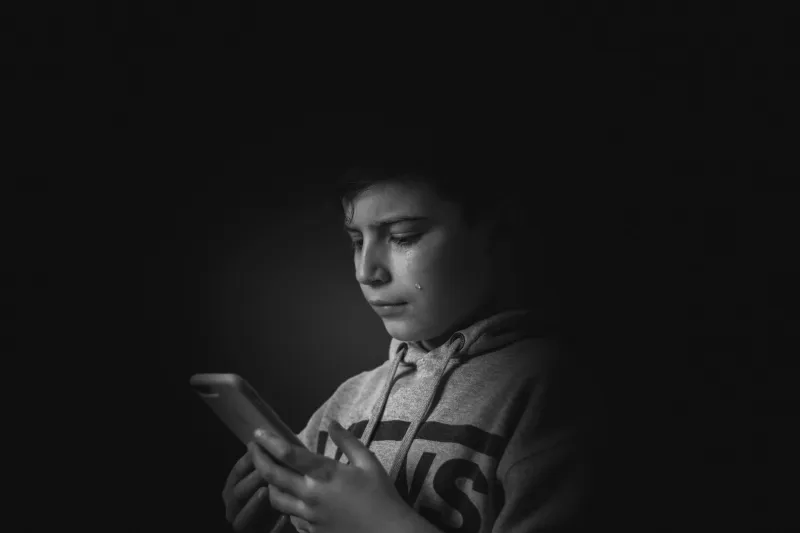
There's a specific kind of grief that doesn't get talked about enough in fan spaces. It's not the grief of a show ending — we've all been there. It's the grief of a show changing on you. Of sitting through a finale or a plot twist or a character decision and thinking, that's not the story I fell in love with. It's the moment you realize the anime you've defended in comment sections, rewatched during hard weeks, and maybe even tattooed on your heart has done something you can't quite forgive.
Fans have a casual name for it: getting betrayed by a series. And if you've experienced it, you know it hits differently than regular disappointment.
When the Story Stops Feeling Like Yours
The bond between a fan and an anime isn't just about entertainment. For a lot of people — especially in the US, where anime fandom can feel like finding your people in a culture that didn't always make room for you — a beloved series becomes part of your identity. You quote it. You recommend it to everyone you trust. You build friendships around it.
So when that series fumbles something important, the reaction isn't just I didn't like that episode. It's closer to I don't recognize this anymore. That disorientation is what makes anime disappointment feel so personal.
Character assassination is one of the most common culprits. Fans invest years following a character's growth, cheering every small victory, and then a late-season decision strips that character of everything that made them compelling. It can feel like watching someone you know get rewritten by a stranger. Controversial shipping decisions, rushed endings, tonal whiplash, retconned motivations — any of these can fracture the relationship between a fan and a series they once held close.
The Community Conversation That Follows
Here's where it gets interesting: the moment a popular anime stumbles, fan communities don't go quiet. They erupt. Reddit threads hit thousands of comments overnight. Twitter (or whatever we're calling it this week) becomes a real-time courtroom. Discord servers split into factions. Fan wikis get edited with barely concealed frustration.
And honestly? That chaos is part of how fans process the loss.
Talking through disappointment collectively is a form of communal grieving. When a finale lands wrong, the shared outrage creates a space where fans can say I'm not overreacting, right? and hear back No, I felt it too. There's genuine comfort in that, even when the conversation gets heated. The fact that people care enough to argue means the series still matters to them — which is its own complicated feeling.
Some of the most enduring fan communities have actually been strengthened by a shared disappointment. When everyone agrees a later season dropped the ball, there's a kind of solidarity in collectively deciding to love the earlier run anyway. The fandom becomes a preservation project. Fans curate the parts that still feel true and hold them up against what came after.
Loving What Was, Letting Go of What It Became
One of the more nuanced conversations happening in anime fan spaces right now is the idea of selective canon — essentially, choosing which parts of a series you accept as your personal version of the story. It sounds informal, but it's a legitimate coping mechanism, and a surprisingly healthy one.
Fan fiction plays a huge role here. When a canon decision feels like a betrayal of a character's arc, writers in the community often step in to tell the story they needed instead. These aren't just creative exercises — they're acts of reclamation. They say: this character deserved better, and here's the proof. For a lot of fans, that alternate version becomes the emotional truth of the series, regardless of what the official run produced.
Art, playlists, video essays, and even meme formats serve the same purpose. They let fans extract what they loved and rebuild something around it, separate from the disappointment.
Can You Actually Go Back?
This is the question every disillusioned fan eventually asks themselves: Is there a way back to loving this?
The honest answer is: sometimes yes, sometimes no, and both are okay.
Some fans find that time creates enough distance to revisit a series with softer eyes. The sting of a bad finale fades, and what's left is the memory of how it felt to watch the good parts for the first time. They can hold both things — the disappointment and the joy — without one canceling out the other.
Others find they genuinely can't. And that's not a failure. Walking away from something that stopped working for you isn't a betrayal of your past self. It's just honesty. The memories of what the series meant to you don't disappear when you stop engaging with it.
There's also a third path that doesn't get enough credit: staying in the fandom despite the disillusionment. Some fans stick around specifically because they want to be part of the ongoing conversation — to push back, to critique, to hold the series accountable while still being invested in its world. That's a valid relationship with a piece of media, even if it's a complicated one.
What the Bond Looks Like After
Here at Kizuna Pop, we talk a lot about the bonds that form around anime — between fans, between communities, between people who found each other through a shared love of a story. What's worth naming is that those bonds often survive the disappointment even when enthusiasm for the series itself doesn't.
The friends you made watching a series together don't go away because the finale was rough. The Discord server you built around a shared obsession doesn't dissolve because a character arc went sideways. Sometimes the thing that pulls a community closer isn't a triumphant ending — it's surviving a bad one together.
That's the strange, bittersweet truth about loving anime hard enough to feel betrayed by it. The hurt is real. But so is everything that got built along the way. And sometimes the community you found through a series ends up being the part that lasts longest — long after you've made your peace with how the story ended.