How One Veteran Fan Changed Everything: The Real Power of Anime Mentorship

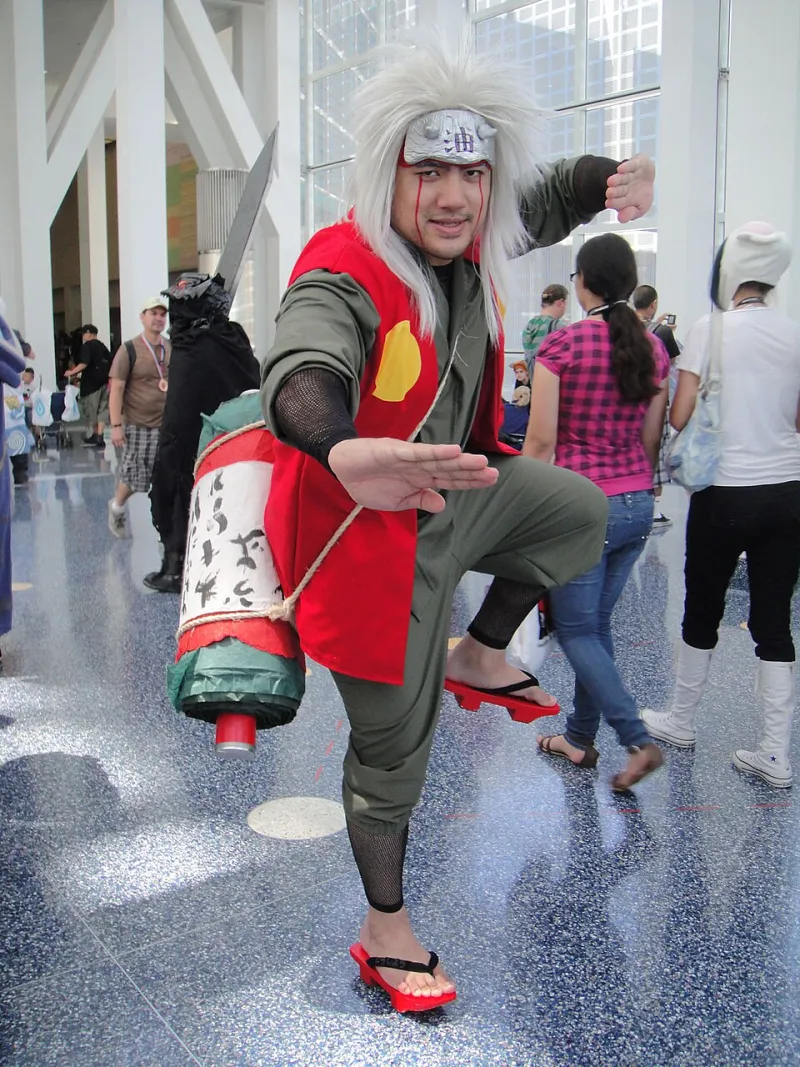
Photo: Jules Verne Times Two, CC BY-SA 4.0, via Wikimedia Commons
There's a specific kind of memory a lot of anime fans in the US carry around. It's not the first episode they ever watched or the first convention they attended. It's the moment someone — usually older, always passionate — sat down next to them and said, "Okay, but have you seen this one?"
That moment changes things. Not just your watch list, but how you move through fandom entirely.
In Japanese culture, the senpai-kohai relationship is practically its own institution — a structured dynamic where someone with more experience actively guides someone newer, and the newer person genuinely looks up to them. Anime has been exploring that dynamic in storylines for decades. But what's fascinating is how naturally it spills out of the screen and into real fan communities across the US. No one formally assigns these roles. They just... happen. And when they do, the impact tends to go way deeper than anyone expects.
The Moment Someone Decides to Show Up for You
Alex, a 26-year-old from Austin, Texas, remembers joining a small anime club at his community college feeling completely out of his depth. He'd watched a few popular shonen titles and figured that was enough to fit in. It was not.
"Everyone was talking about shows I'd never heard of, using terms I didn't know, referencing things from years back," he says. "I was nodding along pretending I understood."
That's when a senior club member named Marcus pulled him aside after a meeting — not to call him out, but to hand him a handwritten list of recommendations organized by mood and genre. "He said, 'Start here. Come back next week and tell me what you thought.' That was it. That was the whole thing."
But it wasn't the whole thing. Over the next semester, Marcus became something Alex describes as "half friend, half guide." He explained why certain series mattered historically, helped Alex understand the difference between an anime original and a manga adaptation, and — crucially — made him feel like his opinions were worth hearing even when he was still figuring things out.
"He never made me feel dumb for not knowing stuff," Alex says. "He just made me feel like I was on my way to knowing it."
It's Not Just About the Recommendations
Ask anyone who's had a genuine senpai-style relationship in fandom and they'll tell you the same thing: it's rarely just about the anime.
Jordan, 31, from Chicago, got into the fandom through a coworker about five years ago. Her coworker, Dana, had been watching anime since the early 2000s — she'd lived through the Toonami era, the fansubbing days, the whole evolution of how Western fans accessed Japanese media. When Jordan expressed curiosity, Dana didn't just send her a streaming link. She contextualized everything.
"Dana would explain why a show felt the way it did, what was happening in anime production at the time, why certain tropes existed," Jordan says. "It was like getting a whole history lesson wrapped in enthusiasm. I wasn't just watching shows — I was understanding a medium."
More than that, Jordan found herself having conversations with Dana that stretched far beyond any episode recap. "We'd talk about storytelling, about what we wanted from relationships, about our own lives. The anime was the entry point, but the friendship was the destination."
That's the kizuna at work — the bond that forms when shared passion becomes a foundation for something real.
The Unspoken Responsibilities That Come With the Role
Not everyone steps into this dynamic consciously, but the good ones tend to develop a kind of instinct for it. There's an art to being the experienced fan without being condescending, and the fans who do it well seem to understand that their job isn't to show off what they know — it's to transfer the love of it.
Mike, a 34-year-old from Seattle who's been part of online anime communities for over a decade, has mentored dozens of newcomers through Discord servers and local meetups. He's thought a lot about what makes the relationship work.
"The biggest mistake I see experienced fans make is gatekeeping disguised as guidance," he says. "Like, 'You can't call yourself a real fan until you've watched X.' That's not mentorship. That's ego."
For Mike, the goal is always the same: help someone find their version of fandom, not a copy of yours. "Maybe they end up loving slice-of-life and you're a mecha guy. That's fine. Your job was to open the door, not tell them which room to stand in."
He also emphasizes the importance of listening as much as recommending. "A newer fan's perspective is genuinely valuable. They notice things you've stopped noticing. The best part of showing someone a show you love is seeing it fresh through their eyes."
When the Dynamic Flips
Here's something that surprises a lot of people: the relationship doesn't stay one-directional forever. Several fans interviewed for this piece described moments when the power dynamic quietly reversed — when the student started teaching the teacher.
Alex from Austin laughs about it now. "Marcus introduced me to classic mecha, older stuff he grew up with. But I got him into some newer isekai titles he'd written off. Now we argue about both constantly. It's great."
That evolution — from mentee to peer — is arguably the whole point. A good senpai isn't trying to keep you dependent on their guidance. They're trying to make themselves unnecessary. When you get there, when you're standing on equal footing and debating episode counts and character arcs like you've been doing it your whole life, that's when the bond shifts into something that can genuinely last.
Why This Matters More Than Ever Right Now
Anime has exploded in mainstream US culture over the last few years. Platforms like Crunchyroll and Netflix have made it more accessible than ever, and new fans are entering the community every single day. That's genuinely exciting — and it also means the need for good mentorship is at an all-time high.
For every new fan who gets welcomed warmly, there's another who stumbles into a toxic corner of fandom and walks away. The fans who take the time to be someone's guide — patiently, generously, without agenda — are doing something that matters. They're shaping how people experience not just a genre, but a community.
And honestly? The bonds that form in those moments tend to be some of the most durable ones fandom produces. Because they're not built on hype cycles or shared opinions about a single show. They're built on something quieter and more lasting: one person deciding that another person's love of something was worth nurturing.
That's the senpai effect. And once you've felt it, you'll want to pass it on.