What You Watch With Your Family Says Everything About How Much You Trust Them
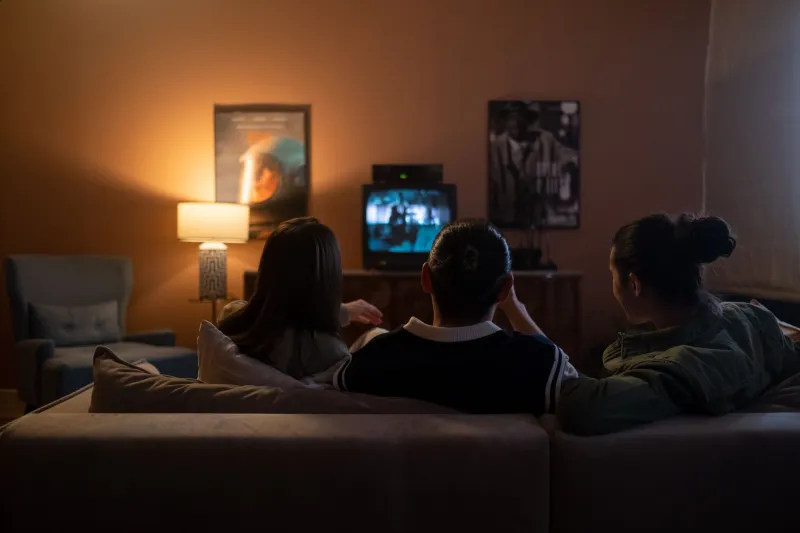
You've got a shelf — physical or digital, doesn't matter — and somewhere on it lives an anime you will never, under any circumstances, put on when your parents are in the room. Maybe it's too weird. Maybe it's too violent. Maybe it's just too you, and explaining it would require a level of vulnerability you're not ready for over Sunday dinner.
But then there's the other pile. The shows you've basically campaigned for. The ones you've rewound three times to make sure your sibling caught that one perfect scene. The anime you've used like a key, trying to unlock a version of connection with your family that normal conversation never quite gets to.
This isn't just about taste. It's about trust. And for a lot of fans, anime has quietly become one of the most honest love languages in the room.
The Shows You Hide Aren't the Ones You're Ashamed Of
Here's the thing people get wrong: the anime you protect from family eyes usually aren't the ones you're embarrassed about. More often, they're the ones that matter most.
A show like Neon Genesis Evangelion or Fruits Basket or even something as emotionally dense as March Comes in Like a Lion — these aren't titles you hide because they're trashy. You hide them because they're essentially a map of your interior life. Sharing them feels like handing someone your journal and asking them to read it out loud.
There's real psychology behind this. When something resonates deeply — when a character's anxiety mirrors your own, or a storyline about family dysfunction hits uncomfortably close to home — you become protective of it. Watching someone dismiss it, even casually, can feel like a small rejection of you. So you don't offer it. You keep it safe.
The anime you hide from family isn't a secret. It's a sanctuary.
The Ones You Force on Everyone Are a Different Kind of Vulnerability
On the flip side, the shows you aggressively recommend to your relatives operate on totally different emotional logic. These are your ambassadors — the titles you've decided are accessible enough to survive contact with someone who thinks anime is "that cartoon stuff."
Classics like Spirited Away, Your Name, or Demon Slayer get this treatment a lot. They're visually stunning, emotionally legible, and don't require you to explain fifteen seasons of lore before the first episode ends. But the choice is still deliberate. You're not just picking something easy to watch. You're picking something that shows a specific version of yourself.
When you sit your dad down for Fullmetal Alchemist: Brotherhood and watch him get genuinely emotional at the end, something real happens between you two. You gave him a piece of something you love, and he received it. That exchange — small as it seems — is actually a form of intimacy most families don't get to through direct conversation.
Forcing your mom to watch Kiki's Delivery Service isn't really about Kiki. It's about wanting your mom to understand something about how you see the world.
The Generational Gap and the Shows That Bridge It
For a lot of American fans, especially those who grew up in households where anime wasn't exactly a known quantity, this dynamic gets layered with generational tension. Your parents might have a vague memory of Dragon Ball Z from Saturday morning TV and nothing else. Introducing them to modern anime isn't just a genre recommendation — it's a cultural translation project.
The shows that tend to work best as bridges share a few things in common: universal emotional stakes, strong visual storytelling that doesn't require dialogue to follow, and themes that transcend age — grief, ambition, belonging. A Silent Voice has converted more skeptical parents than almost anything else in recent memory, precisely because the emotional core is so undeniable.
But there's a risk calculation happening too. You're not just thinking about whether they'll like it. You're thinking about whether their reaction will close a door or open one. A dismissive "I don't get it" from a parent after you've just shown them something you love can sting in ways that are hard to articulate.
That risk is exactly why the act of sharing matters so much.
What It Looks Like When It Actually Works
Ask any longtime fan about their best family anime memory and you'll usually get something specific and a little unexpected. A grandmother who cried at the end of Wolf Children. A younger sibling who became obsessed with Haikyuu!! after you put it on as background noise. A dad who started asking questions about the plot of Attack on Titan even though he swore he wasn't interested.
These moments tend to stick because they're proof of something fans quietly hope for: that the thing they love isn't just their thing. That it can travel. That it can reach someone who lives in a completely different emotional universe and still land.
That's the real reason fans are so strategic about what they share and what they protect. It's not gatekeeping. It's care. You're managing the conditions under which something precious meets the outside world.
Your Watch History Is Basically an Emotional Resume
At the end of the day, the anime you share with family — and the ones you keep entirely to yourself — form a pretty complete picture of where you are emotionally at any given moment. The shows you're ready to defend in front of your relatives are the parts of yourself you feel confident about. The ones you keep tucked away are the parts still in progress.
And sometimes, the biggest act of connection isn't forcing someone to watch your favorite show. It's finally letting them see the one you've been hiding.
When that moment comes — when you actually sit down with someone who matters and put on the anime that's been living in your private rotation for years — pay attention to how that feels. That's not just a viewing party. That's trust in action.